
Custom Die Casting Company
From industrial gears and housings to valve bodies and electronic devices, MechTech Inc. utilizes aluminum, zinc, and magnesium to manufacture high-performance components tailored to your specifications.

Why Choose Us for Custom Cold Heading Services
Diverse Materials
Secondary Services
Precision Engineering
Advanced Technology
Aluminum, magnesium, and zinc die casting capabilities.
CNC machining, heat treatment, coating, plating, and more.
Complex die designs optimized for tight tolerances and custom parts.
Hot chamber, cold chamber, vacuum, and squeeze die casting processes available.

Die Casting Case Study
A leading manufacturer approached The Federal Group to provide aluminum die casting services for a part that could be used “as cast”—without further machining—while ensuring leak-free assembly.
Diverse Sectors We Serve
The custom die casting solutions offered by The Federal Group USA serve a wide range of industries, from electronics to industrial equipment.
Electronics and Power Systems
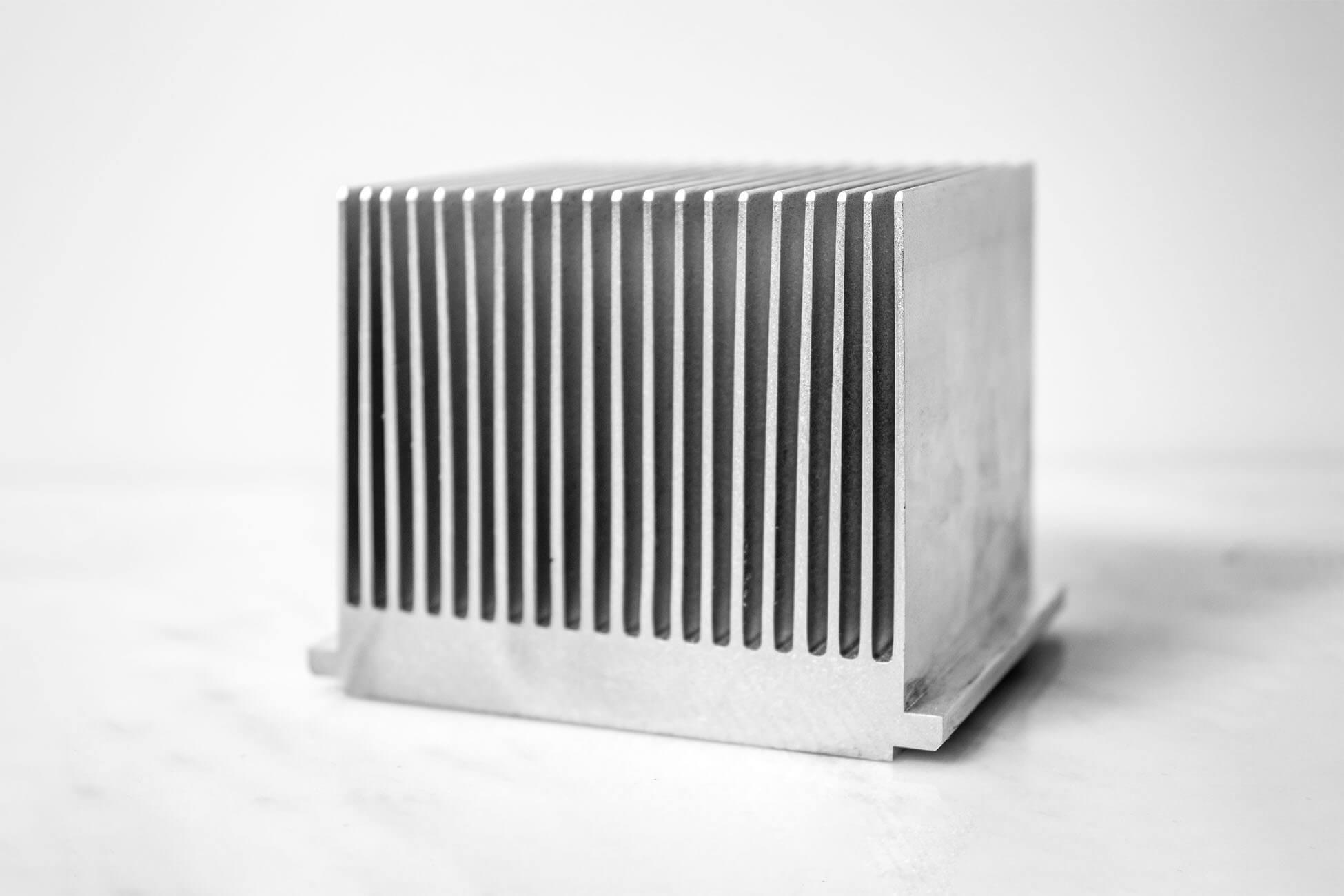
Our aluminum and zinc die castings are ideal for housings, heat sinks, and connectors for electrical components. For reliable performance in demanding applications, these lightweight components deliver excellent conductivity and efficient thermal management.

Industrial Equipment and Automation
Die casting from TFG USA provides the robotics, machinery, and automation industries with components that are strong, reliable, and producible at scale. Using lightweight materials, elements such as gear housings and brackets are die cast to maximize cycle efficiency and maintain consistent performance.
Consumer and Commercial Products
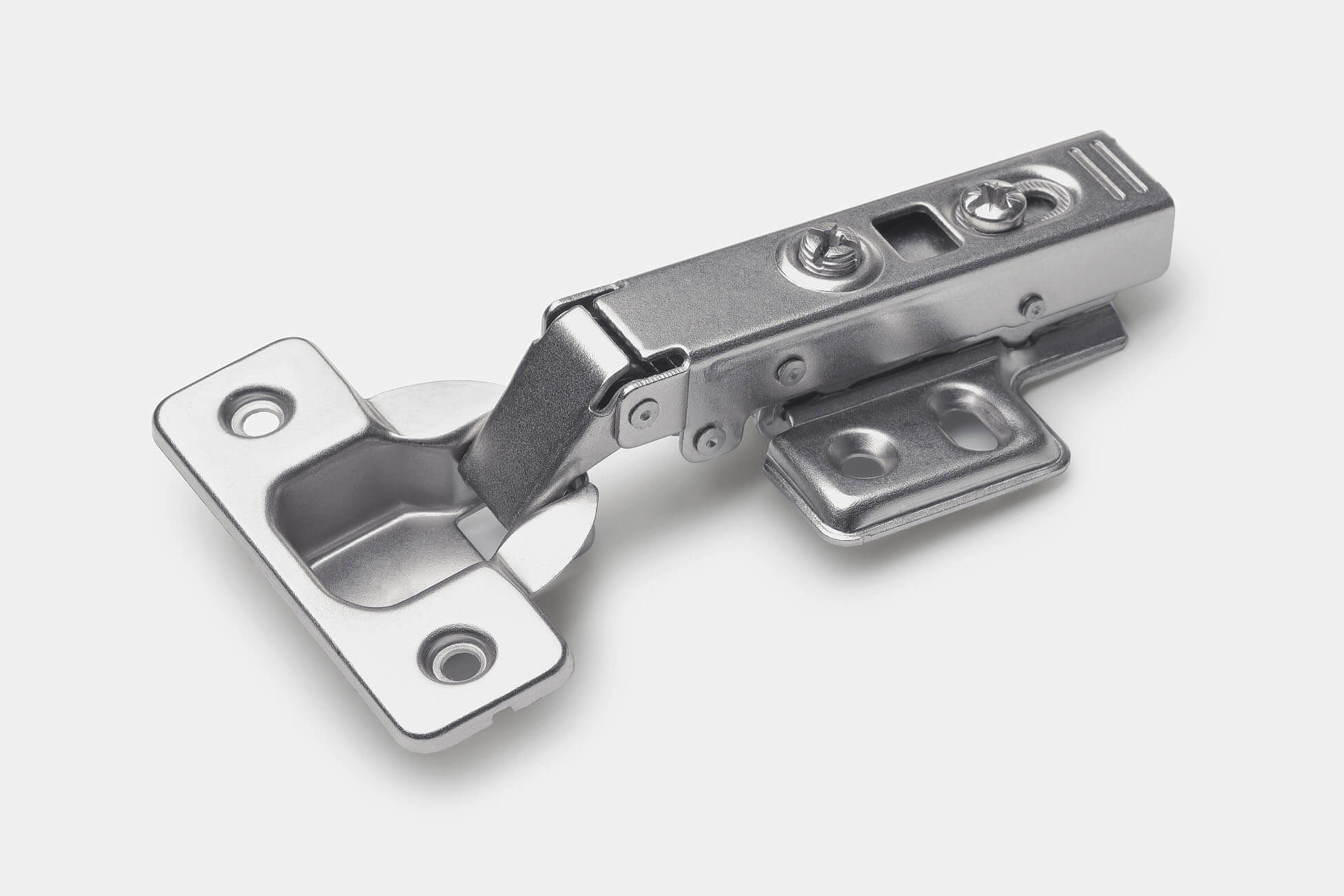
TFG’s aluminum and zinc die-cast parts are used in lighting, appliances, and hardware, delivering both durability and aesthetic appeal. With various finish options, including powder coating and anodizing, our parts are supplied with high-quality surface finishes for consumer-facing designs.
Aluminum Die Casting Services
The Federal Group’s aluminum die casting services provide precise, high-quality manufacturing solutions. Utilizing advanced techniques and a range of aluminum alloys, we create complex shapes with exceptional strength-to-weight ratios, corrosion resistance, and high dimensional stability. Experience seamless production, meeting diverse industry needs with our expertise in aluminum die casting.
Aluminum Die Casting Alloys
The specific alloy chosen for a die casting application depends on various factors such as the intended use, required mechanical properties, environmental conditions, cost considerations, and manufacturing requirements. Each alloy has its advantages and is suitable for different applications based on its unique properties. Below are some of the most common aluminum die casting alloys:
- Aluminum-Silicon (Al-Si)
- Aluminum-Copper (Al-Cu)
- Aluminum-Zinc (Al-Zn)
- Aluminum-Magnesium (Al-Mg)
- Aluminum-Tin (Al-Sn)
- Aluminum-Nickel (Al-Ni)
- Aluminum-Iron (Al-Fe)
What Is Aluminum Die Casting?
The most basic idea of aluminum die casting is to fill a die (a mold) with liquid metal in such a way as to press it into whatever shape you wish to cast. It is the go-to process for most industrial projects that require metal parts.
Part of this is due to the fact that, while it has higher startup costs than some other processes, over the long-term it can produce less expensive per-unit costs, especially for mass production. In addition, aluminum die casting also creates a smooth finish that gives products a nice aesthetic sheen.
Everything begins with casting the mold itself. The mold cavity is created by using two steel dies which have been machined into shape. These molds are then used similarly to an injection mold during the casting process.
One of the most important factors to keep in mind when it comes to casting and producing metal products is keeping temperatures down. High, out of control temperatures can lead to the metal burning and spoiling, to say nothing of the severe safety issue that presents.
Another benefit of aluminum die casting is that it helps tamp down those concerns by lubricating the die during the metal production process, which helps keep things cool and likewise makes it easier to remove the freshly-cast metal product once it’s finished.
That finish to the process comes when the two halves are pressed together, with molten metal being forced into the space created by the two reverse side dies. Once the casting has solidified, the die is opened and the piece removed.
Advantages of Aluminum Die Casting
Aluminum die casting has many advantages over other metal-forming processes that can help to create an aluminum part. One major advantage is producing extremely complicated shapes that neither aluminum extrusion nor aluminum machining can efficiently create.
The production of complicated automobile parts and housings is one perfect illustration. Other manufacturing processes do not always achieve the complexity or tight tolerance requirements for aluminum products.
The most popular advantages of aluminum die casting are:
- Textured surfaces or smooth surfaces can be achieved
- Extremely lightweight components without sacrificing strength
- A great range of surface finishes
- Corrosion resistance parts and assemblies
- The ability to produce extremely complicated parts