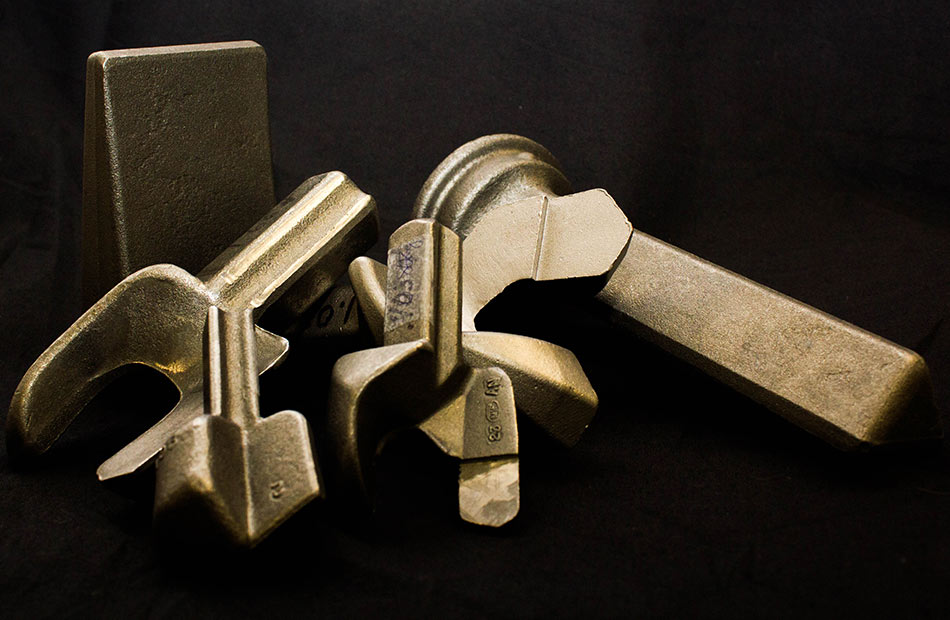
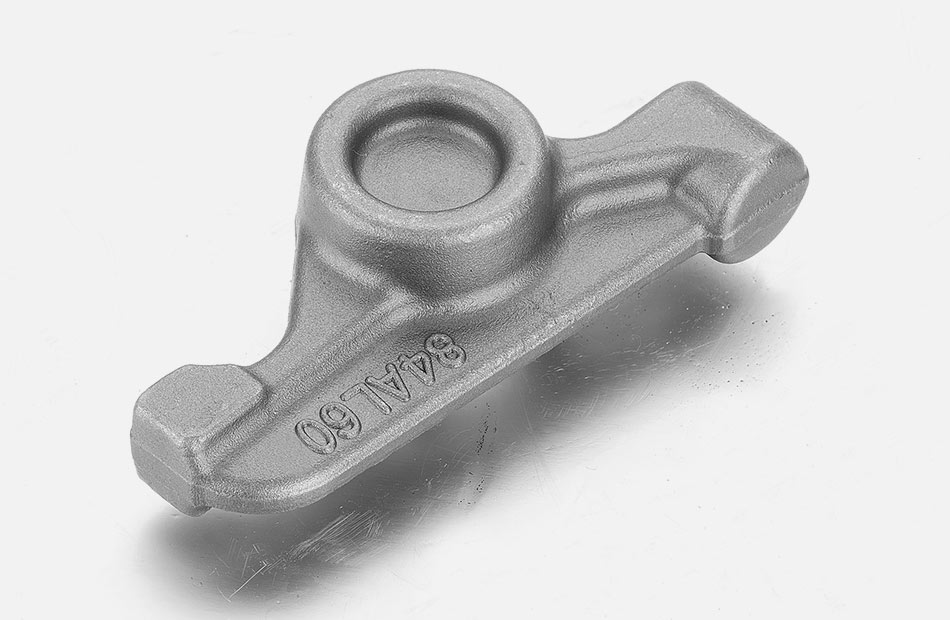
A wide range of metalworking processes is available to forge parts. The type of forging depends on the specifications of the part and the requirements for the production run. Most metal forging involves the use of extreme heat to soften the metal. With hot forging, the metal may be heated up to 2100 degrees Fahrenheit. As the metal is more pliable, less pressure is needed to form the metal.
After pressing the material, it cools and hardens. The finished part is often much stronger compared to its original form. However, hot forging provides less precise tolerances compared to cold forging.
With cold heading manufacturing, the metal is not heated. It is formed near room temperature, which makes it better suited for working with softer metals. The main benefits of cold forging include faster production rates and increased interchangeability.
When deciding between hot forging vs cold forging, it’s essential to consider factors like material properties, desired finish, and production speed to ensure the best results for your project.