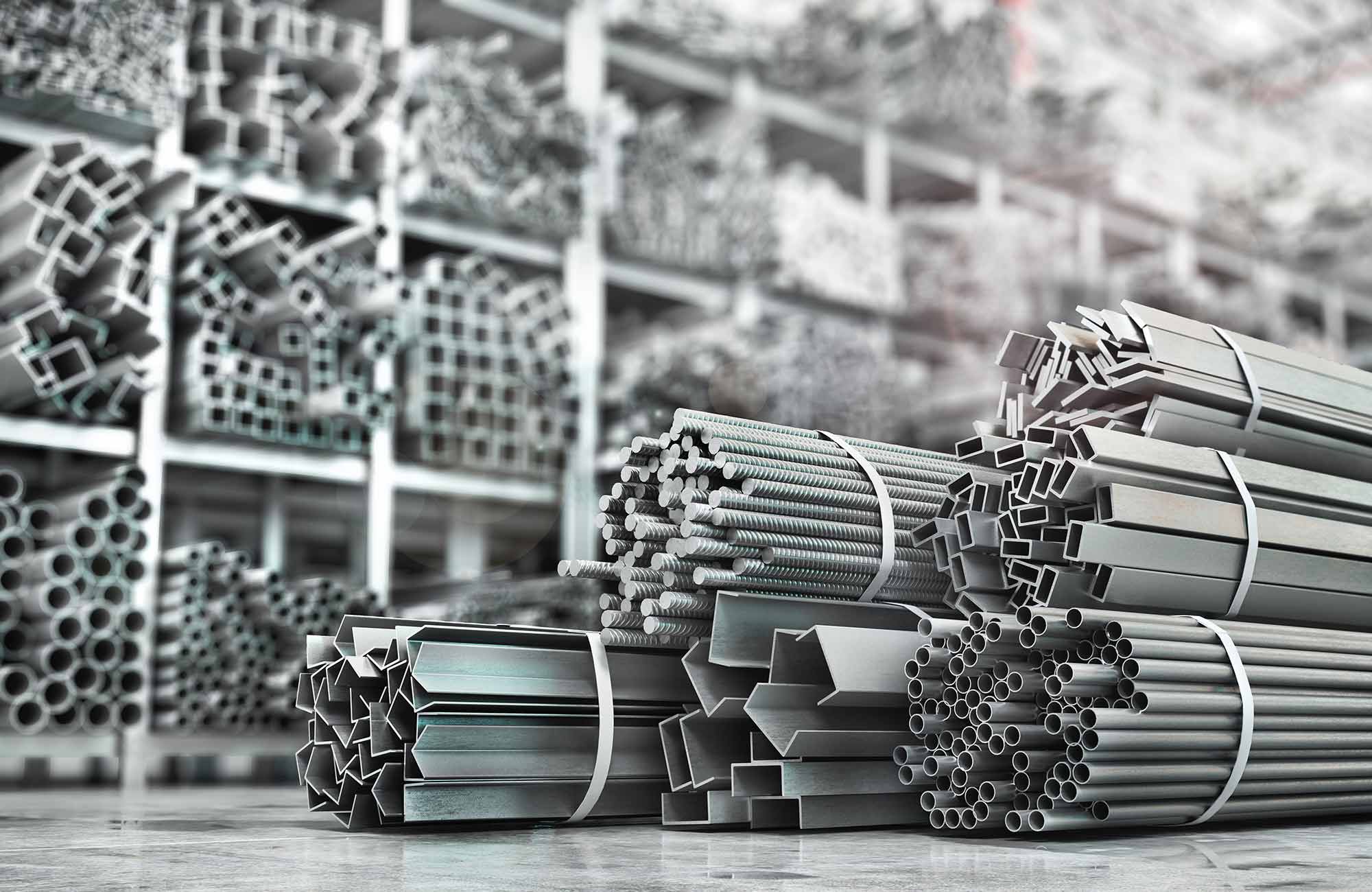
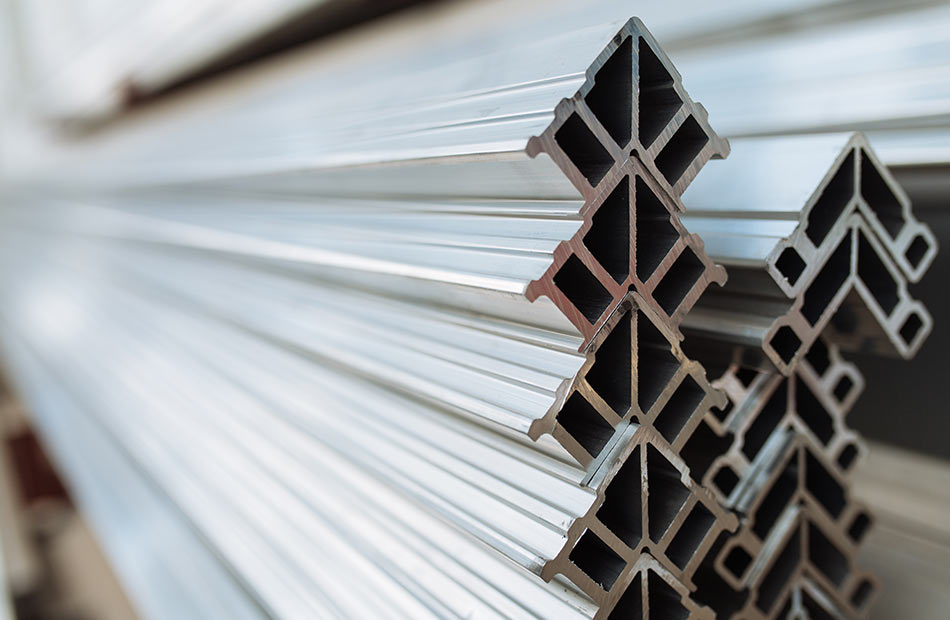
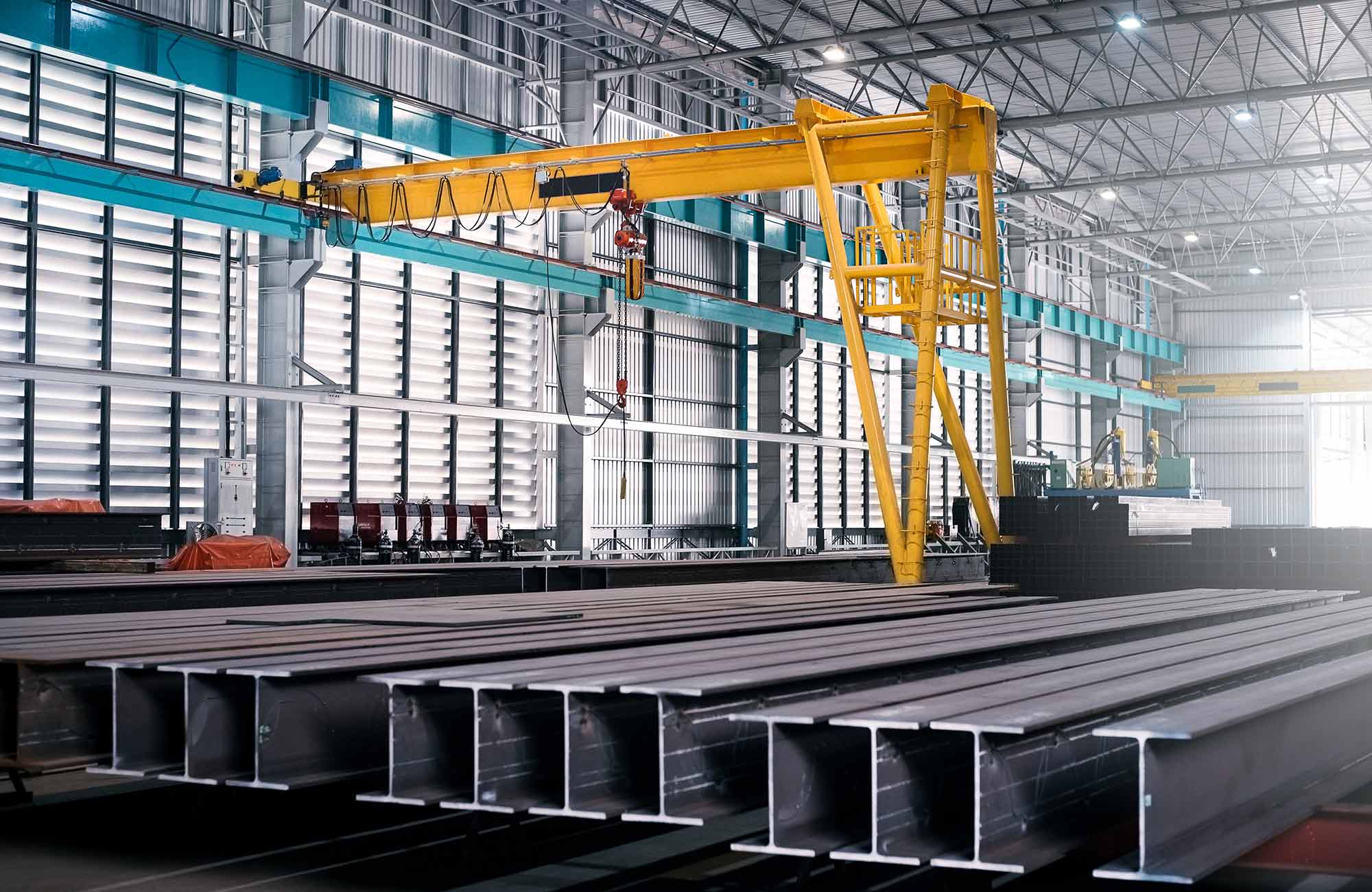
One of the most important subsets of the steel fabrication process is steel extrusion. This involves pushing a flow of molten metal through a die and into a cross-section via a cylindrical billet. Once the parts are cast and extruded, they are then pushed out by means of a hydraulic or mechanical press.
This pressure-centric production method can be most effective when working with materials such as steel, aluminum, copper, lead, magnesium, and carbon as well as stainless steel.
Any time you are working with molten metal, it is of the utmost importance to do everything in your power to make sure that temperature levels are kept under control. Steel extrusion machinery, thus, makes use of lubrication methods to make sure that the billets and other parts are kept as cool as possible during the extrusion process. As with many other metalworking processes, steel extrusions can make use of hot or cold production methods, with the former making use of a furnace or similar heating element within the chamber while the latter depends on external heating.