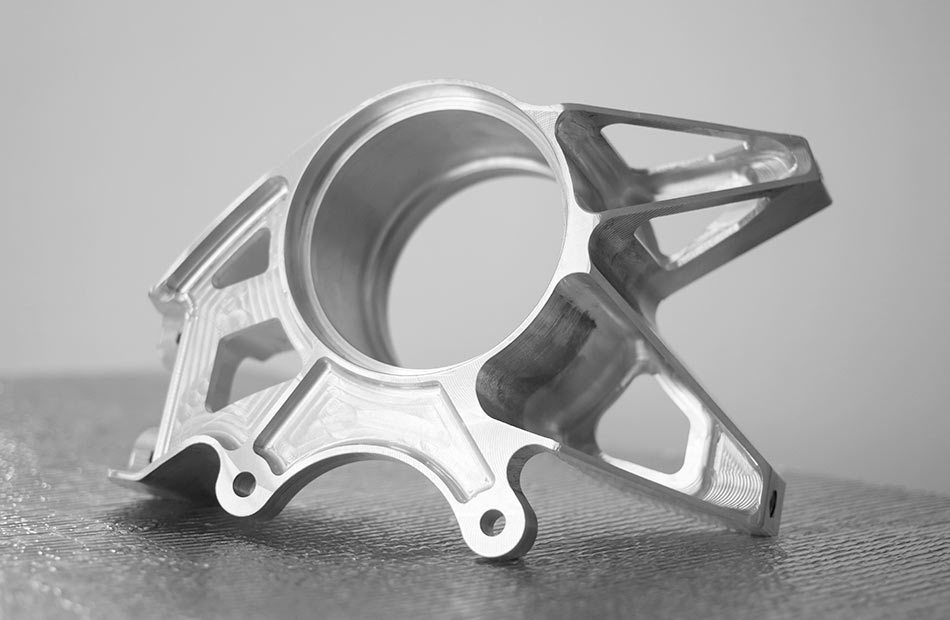
Rapid prototype casting is a process that uses a wax pattern to create a metal mold which is then filled with molten metal to create a new metal piece. The process does not require tooling and starts with a CAD design to create a wax pattern.
Layers of material are bonded together using one of the various types of 3D printing methods like stereolithography, laser sintering, laminated object manufacturing, or fused deposition modeling. Once the part is made in wax, it is attached using wax to a sprue with other similar parts, and then coated in a ceramic slurry multiple times to build up a shell.
The ceramic slurry progressively gets more coarse to build shell strength. After the shell has been sufficiently built up, the wax is removed through heating in a furnace or autoclave, leaving just the shell. The shell can then be prepped through a higher heat before the molten metal is poured into it. After cooling and removal of the shell, a new metal part is left.
The coated foam mold is packed securely into a flask and filled with heavily compacted, unbonded sand. A molten hot metal, usually an aluminum alloy, steel, or cast iron, is carefully poured into the flask and over the foam mold. The polystyrene foam mold evaporates as it comes into contact with the metal and is replaced by the metal leaving the same shape. When the metal has cooled, it is pulled out of the ceramic coating and the excess sand or debris is cleared off, leaving a finished metal piece.